

Canada National asked us to redesign their locomotive assignment tool to fix data inconsistencies, update the outdated UI, and improve visibility for network-wide planning. They needed a more efficient system with rule-based optimization for smarter and quicker locomotive assignments. Our solution improved data accuracy, modernized the interface, and enhanced efficiency through optimization suggestions. This allowed power planners to make faster, smarter decisions and streamline operations.
Awanee Joshi, Tingting Hu
Canada National
28 Weeks (MAR - SEP 2024)
- Enhanced operational visibility & assignment accuracy, directly contributing to a $5M+ contract win
- Decreased avg dwell time to the first deployment terminal by 4.8% (14 minutes)

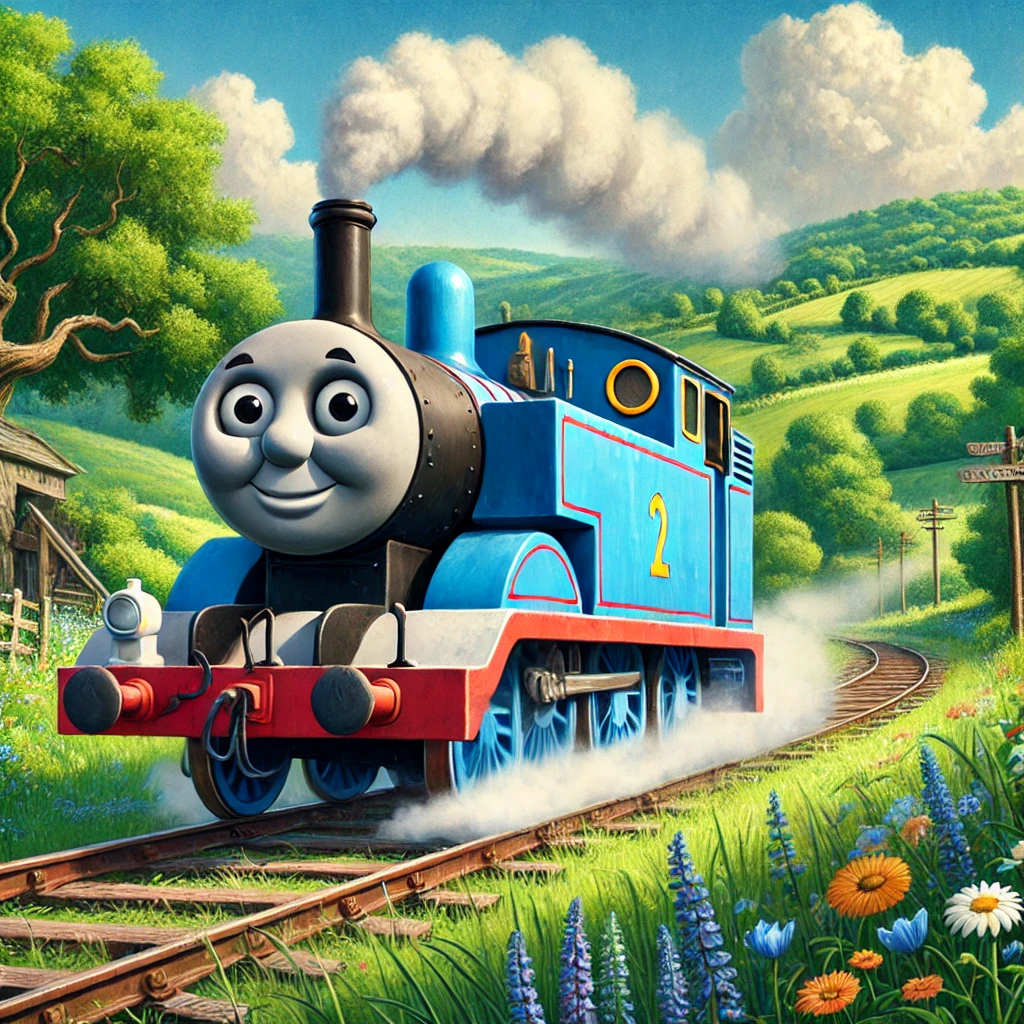
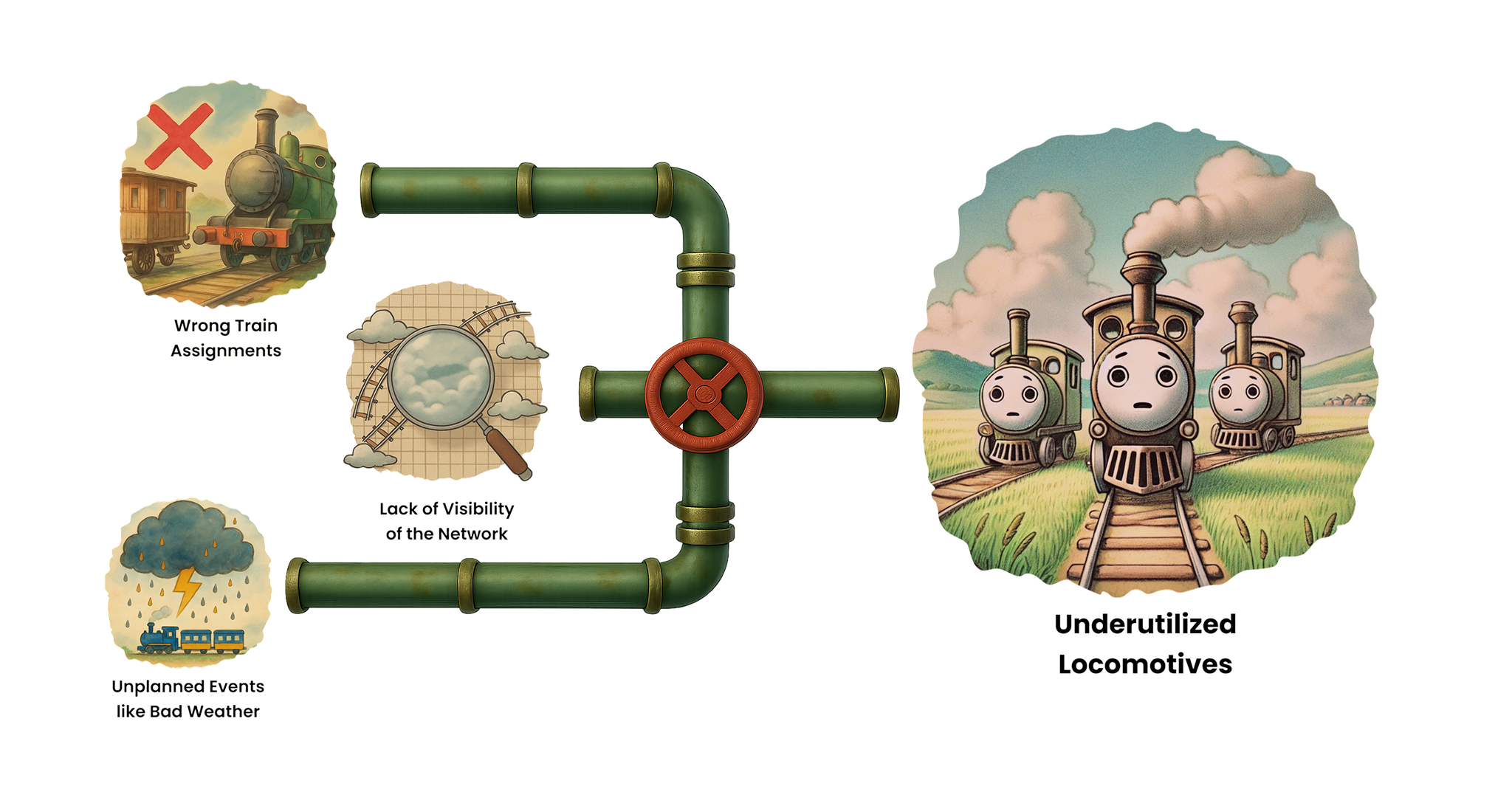
Wrong train assignments (under/overpowering trains) and lack of real-time visibility often lead to underutilized locomotives. Disruptions like delays or bad weather can worsen the issue, causing misallocation or idle resources which leads to increased operational costs—especially without a system to quickly reassign or reroute them.
"Since these power assets are so expensive, every drop saved is a giant drop for us."
Rahul Singh
Senior Director - Resource Planning at CN



I redesigned the entire PowerOps platform—including several high-use modules across various user roles. Here are a few key highlights that delivered the most significant impact.
Experienced power planners use their deep knowledge of the network and schedules to make smart assignments. Newer planners often struggle without this context, indicating the need for a solution that can share best practices and guide decision-making.
⬇️
Displaying all key factors—such as locomotive type, maintenance schedule, direction, and equipment—on each locomotive is essential. This leads to a cluttered interface that makes it time-consuming and difficult for planners to quickly identify the right locomotive.
⬇️
While best practices guide power assignments, emergency situations often require planners to make non-ideal decisions due to limited locomotive availability. In such cases, clear communication and visual cues are essential to provide context and ensure downstream planners understand the reasoning behind the assignment, maintaining operational continuity and accountability.
⬇️
Planners lacked the forward-looking visibility into locomotive availability at the terminal, making it difficult to anticipate and address imbalances.
⬇️
Network planners lacked the forward-looking visibility into locomotive availability across the network and power requirements in the future.
⬇️
In complex or high-pressure scenarios most times there could be multiple assignments that could work. Planners need a safe space to test these options without impacting real-time operations.
⬇️
This project utilized the 4D Design Process, a converging and diverging approach which consisted of the following phases
At the start of the project, I met with stakeholders to understand the business goals of the project. The following business goals allowed me to define my own design goals:
Due to time and budget constraints, direct user engagement was not possible during the concept development phase. Instead, I relied on the project manager's and fellow designers' expertise to understand the user. I conducted three stakeholder interviews with the following research goals:


